Landmark Land Expropriation Bill: A Critical Examination
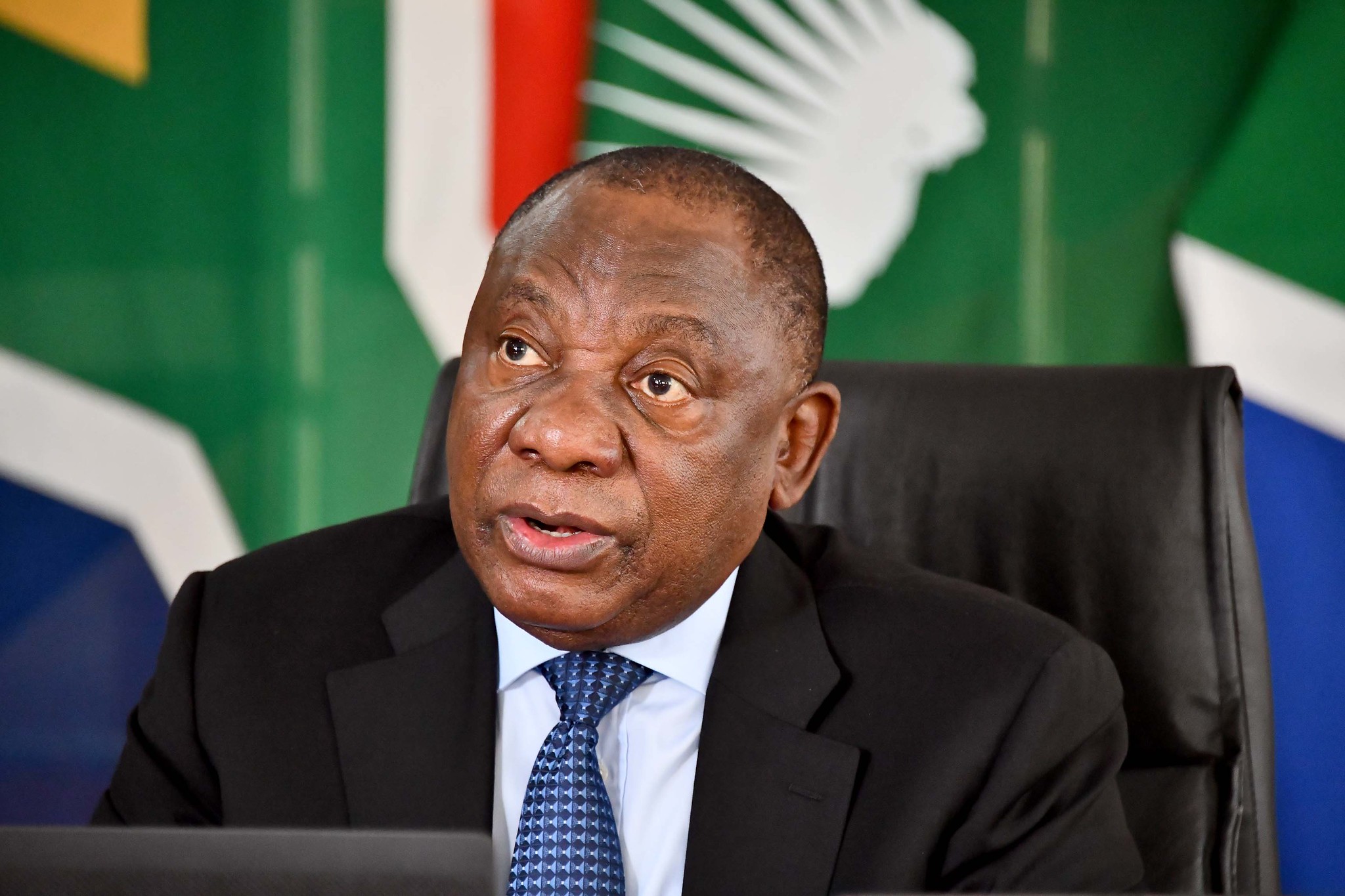
On May 25, 2023, President Cyril Ramaphosa signed into law the controversial Expropriation Bill, sparking a firestorm of debate. The bill empowers the government to expropriate land without compensation in the public interest.
The Rationale for Expropriation
The South African government has argued that the bill is necessary to address the legacy of apartheid, which resulted in widespread land dispossession of black South Africans. The government claims that the bill will promote land redistribution and economic justice.
Arguments in Favor of the Bill
Supporters of the bill contend that:
- It is morally just: Expropriation without compensation is seen as a way to correct historical injustices and restore stolen land to its rightful owners.
- It is economically beneficial: By redistributing land to previously disadvantaged communities, the bill could boost economic growth and reduce inequality.
- It is constitutional: The South African Constitution allows for expropriation without compensation in the public interest, provided that it is done in a just and equitable manner.
Arguments Against the Bill
Opponents of the bill raise concerns about:
- Property rights: They argue that the bill violates the constitutional right to property ownership and creates a dangerous precedent for government overreach.
- Economic uncertainty: The bill could discourage investment and damage economic stability, particularly in the agricultural sector.
- Uncertainty over compensation: The bill does not provide clear guidelines for determining what constitutes "just and equitable" compensation, leaving landowners vulnerable to arbitrary decisions.
Comparative Analysis of Global Land Expropriation Policies
South Africa's Expropriation Bill is not unique. Many countries have implemented similar policies, with varying degrees of success.
| Country | Year | Extent of Expropriation | Compensation | Impact |
|---|---|---|---|---|
| Zimbabwe | 2000 | 7 million hectares seized | Minimal | Economic crisis, food shortages, political instability |
| Bolivia | 2006 | 17 million hectares redistributed | Market value | Reduced poverty, increased agricultural production |
| Venezuela | 2010 | 3 million hectares nationalized | Inadequate | Food shortages, property rights violations |
| Brazil | 2016 | 13 million hectares earmarked for land reform | Market value | Slow progress, ongoing conflict in rural areas |
Implications of the Expropriation Bill for South Africa
The Expropriation Bill has far-reaching implications for South Africa:
- Political stability: The bill could exacerbate racial tensions and undermine the rule of law, potentially leading to protests and social unrest.
- Economic recovery: The uncertainty surrounding expropriation could damage investor confidence and impede economic growth.
- Social justice: While the bill aims to address historical injustices, it could also create new injustices if it is not implemented fairly and equitably.
Conclusion
The Expropriation Bill is a complex and controversial issue with no easy answers. It raises fundamental questions about property rights, economic justice, and the role of the state. The government must carefully consider the potential consequences of the bill and ensure that it is implemented in a fair and transparent manner that respects the rights of all South Africans. The broader implications of the bill extend beyond South Africa, serving as a cautionary tale about the challenges and risks associated with large-scale land redistribution.